Attending court for the first time can be intimidating. Many people feel anxious about what will happen, how long the process will take, and what they should do when they arrive.
If you’ve been charged with an offence and need to attend Ballina Local Court, understanding what to expect can make the experience far less stressful.
This guide explains what typically happens when attending Ballina Local Court for the first time, how to prepare, and how legal representation can help you achieve the best possible outcome.
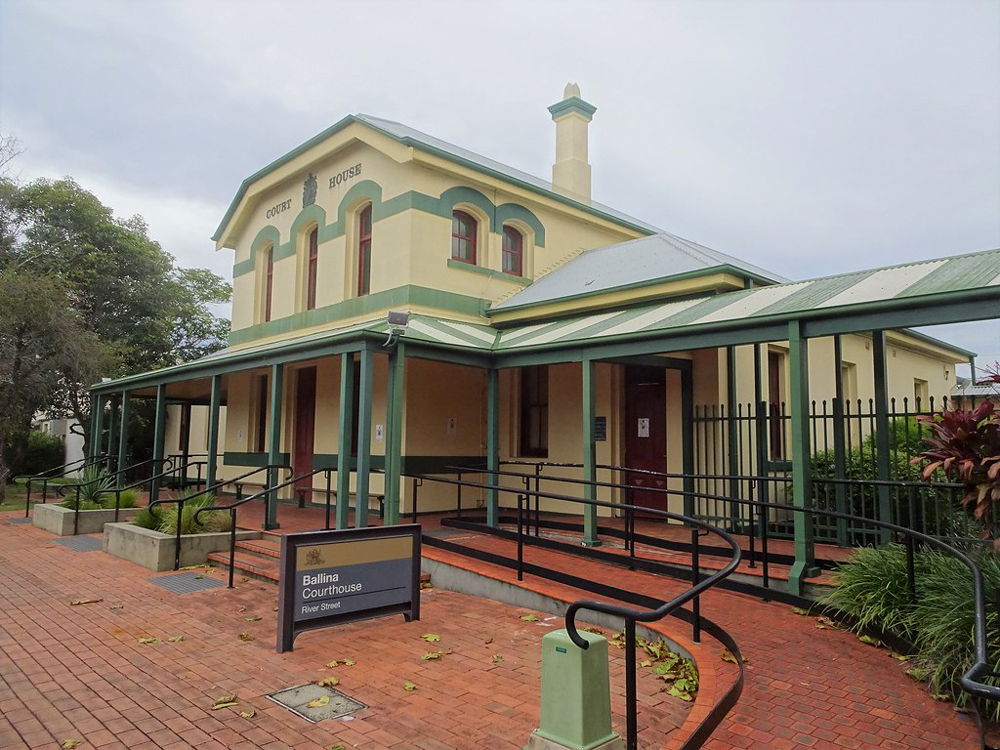
Where is Ballina Local Court?
Ballina Local Court is located in the Ballina CBD and hears a wide range of matters, including traffic offences, assault charges, AVOs, and other criminal matters.
Local Courts in New South Wales deal with the majority of criminal offences, particularly those considered less serious or where matters are in early stages.
Why You Might Need to Attend Ballina Local Court
Most people attend Ballina Local Court because they have received a Court Attendance Notice (CAN).
A Court Attendance Notice includes:
• The alleged offence
• The date and time of your court appearance
• The court location
• Instructions about what you must do
Common matters heard at Ballina Local Court include:
• Traffic offences (including drink driving)
• Assault charges
• Drug possession
• Apprehended Violence Orders (AVOs)
• Bail applications
Most people attend Ballina Local Court because they have received a Court Attendance Notice (CAN).
A Court Attendance Notice includes:
• The alleged offence
• The date and time of your court appearance
• The court location
• Instructions about what you must do
Common matters heard at Ballina Local Court include:
• Traffic offences (including drink driving)
• Assault charges
• Drug possession
• Apprehended Violence Orders (AVOs)
• Bail applications
Your First Court Appearance — The Mention
Your first appearance at Ballina Local Court is usually called a mention.
A mention is typically brief and involves deciding how your matter will proceed.
At this stage, the Judge may ask:
• Whether you have legal representation
• Whether you wish to plead guilty or not guilty
• Whether more time is needed to obtain legal advice
Many matters are not finalised on the first day and are instead adjourned to allow preparation.
What Happens When Your Name is Called?
When your matter is called in court:
• You or your lawyer step forward
• The Judge reviews your case
• Directions are given about what happens next
If you have a lawyer, they will usually speak on your behalf.
If you do not have legal representation, you may be required to answer basic procedural questions yourself.
Pleading Guilty vs Not Guilty
One of the key decisions early in your matter is whether to plead guilty or not guilty.
Pleading Guilty
If you plead guilty:
• The matter may be finalised on the same day
OR
• Adjourned for sentencing preparation
Preparation may include:
• Character references
• Evidence of rehabilitation
• Completion of relevant programs
Proper preparation often leads to better sentencing outcomes.
Pleading Not Guilty
If you plead not guilty:
• Your matter will be adjourned
• Police evidence will be provided
• A hearing date will be set
Your lawyer will review the evidence and determine whether any defences apply.
How Long Will You Be at Court?
Time at court varies depending on:
• The number of matters listed
• The complexity of your case
• Whether your matter is finalised
Many people spend several hours waiting for their case to be called.
Arriving early is strongly recommended.
What Should You Wear to Court?
Your appearance in court matters.
Dress respectfully, as if attending a job interview.
Recommended clothing includes:
• Collared shirt
• Long pants or skirt
• Closed shoes
Avoid:
• Shorts
• Singlets
• Hats
• Offensive clothing
A respectful appearance helps demonstrate seriousness and responsibility.
What Should You Bring With You?
When attending Ballina Local Court, you should bring:
• Your Court Attendance Notice
• Identification
• Any relevant paperwork
• Notes for your lawyer
• Supporting documents if required
Being organised reduces stress and avoids delays.
What Happens After the First Court Date?
After your first appearance, your matter may proceed in several ways.
Possible next steps include:
• Sentencing
• Further mentions
• A defended hearing
• A committal process (for serious matters)
Each case follows its own timeline depending on the charges and circumstances.
Can Your Matter Be Finalised on the First Day?
Some matters can be finalised on the first court date.
This is more common where:
• You plead guilty
• The offence is relatively straightforward
• Supporting documents are prepared
However, many matters require additional preparation before sentencing.
How to Prepare Before Attending Court
Preparation can significantly influence outcomes.
Steps you may consider include:
Seek Legal Advice Early
Early advice allows your lawyer to review your situation and plan your defence strategy.
Obtain Character References
Character references should:
• Be addressed to the Judge
• Acknowledge the offence
• Describe your character
Strong references can assist during sentencing.
Complete Relevant Programs
Depending on the charge, completing courses such as traffic offender programs may demonstrate responsibility.
Courts often view this positively.
Why Legal Representation Matters
Navigating the court system without legal advice can be risky.
A criminal defence lawyer can:
• Explain court procedures
• Review police evidence
• Identify possible defences
• Present your case effectively
Even for relatively minor offences, proper representation can improve outcomes.
Reducing Stress on Your First Court Visit
Many people feel overwhelmed before attending court for the first time.
Understanding the process helps reduce uncertainty and anxiety.
Knowing:
• Where to go
• What to say
• How proceedings work
This can make the experience far more manageable.
Speak With an Experienced Criminal Lawyer
If you are attending Ballina Local Court for the first time, professional legal guidance can make a significant difference.
East Point Law regularly appears in Ballina and surrounding courts, representing clients across a wide range of criminal and traffic matters.
If you are unsure about what to expect or how to prepare, speaking with an experienced criminal lawyer can provide reassurance and clarity during a stressful time.